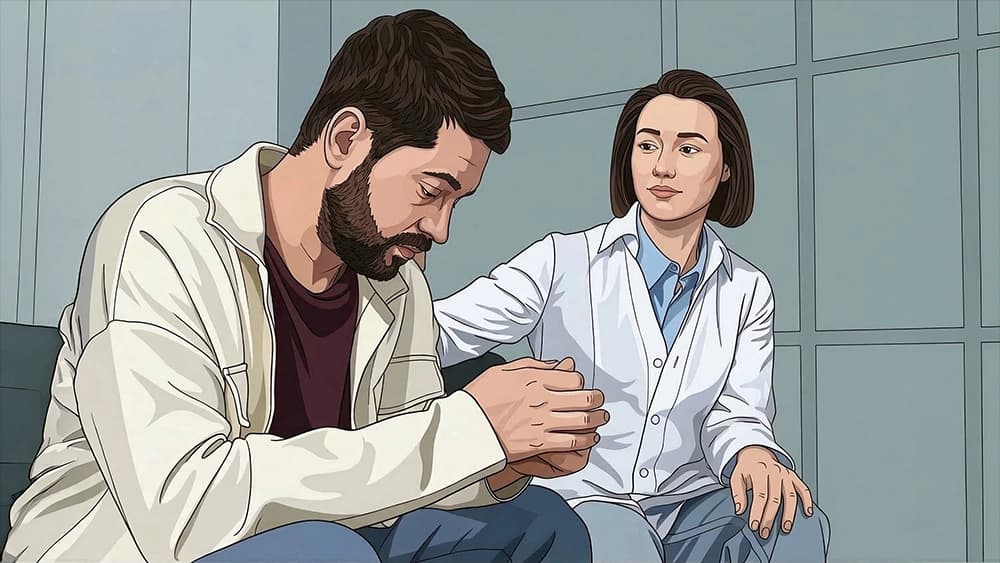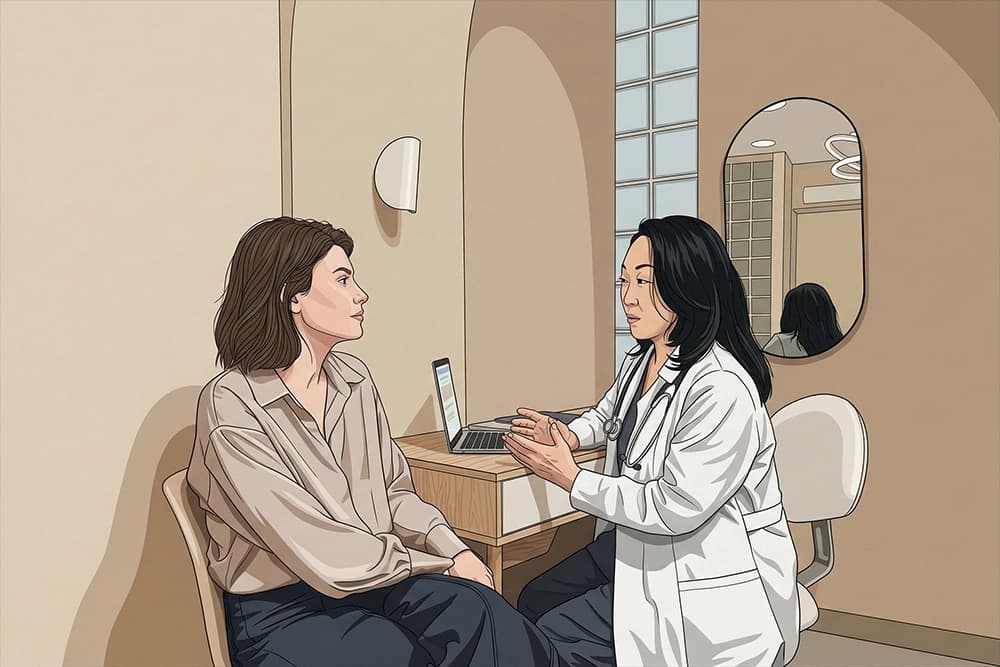
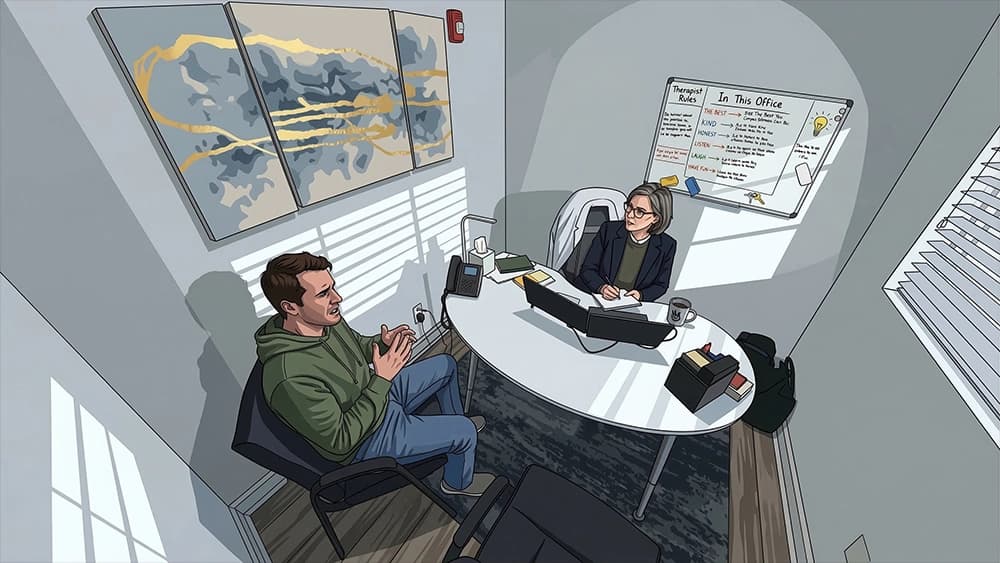
PTSD and substance use disorder frequently co-occur because trauma can drive self-medication. Integrated dual diagnosis treatment that addresses both conditions simultaneously offers the strongest path toward lasting recovery.
- 1PTSD and substance use disorder co-occur at significantly higher rates than either condition alone.
- 2Many people living with unresolved trauma turn to substances as a way to manage distressing symptoms.
- 3Treating only one condition while ignoring the other increases the likelihood of relapse.
- 4Integrated dual diagnosis programs use evidence-based therapies to address trauma and substance use together.
- 5Recovery is possible with the right clinical support, and early intervention can improve long-term outcomes.
For many people in West Palm Beach and throughout South Florida, the relationship between past trauma and substance use is deeply personal. PTSD and substance use disorder frequently occur together, creating a cycle that can feel overwhelming without the right support. Understanding how these two conditions interact is a critical first step toward finding effective, lasting care.
What Is the Relationship Between PTSD and Substance Use Disorder?
Post-traumatic stress disorder (PTSD) develops after a person experiences or witnesses a traumatic event such as combat, assault, a serious accident, or childhood abuse. Symptoms often include intrusive memories, nightmares, emotional numbness, hypervigilance, and difficulty sleeping.
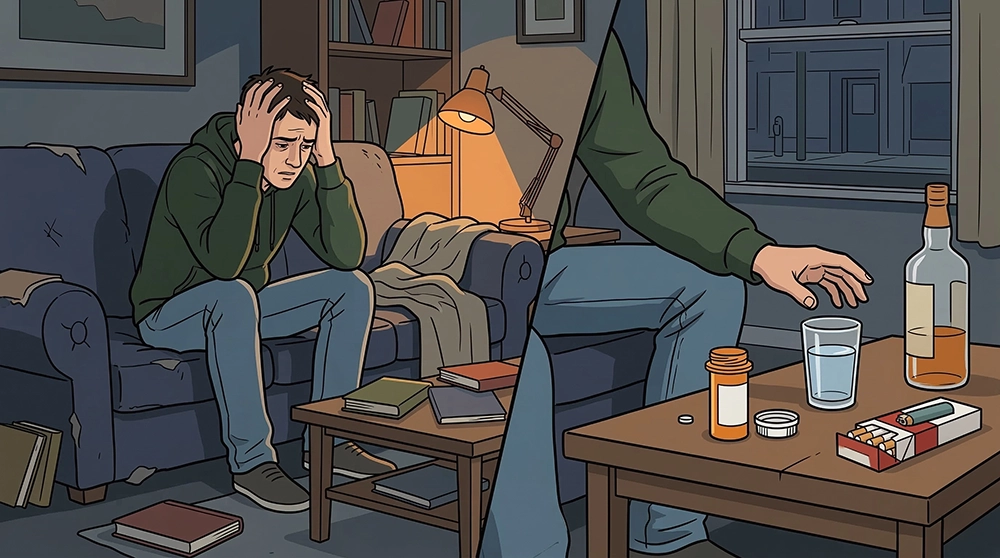
When these symptoms become difficult to manage, some individuals turn to alcohol or drugs to find temporary relief. This pattern, often called self-medication, can develop into a substance use disorder over time. Research from the U.S. Department of Veterans Affairs indicates that nearly half of people seeking treatment for a substance use disorder also meet the criteria for PTSD.
The trauma and addiction connection is not a sign of weakness. It is a predictable neurobiological response. Trauma changes the way the brain processes stress, fear, and reward, making a person more vulnerable to substance misuse.
Why Do People Living With PTSD Turn to Substances?
PTSD symptoms can be relentless. The emotional weight of flashbacks, anxiety, and avoidance behaviors makes daily functioning difficult. Substances may seem to offer a way to cope because they temporarily alter brain chemistry and reduce distress.
Common reasons include:
- Numbing emotional pain — Alcohol and opioids can dull the intensity of traumatic memories and emotional distress.
- Managing hyperarousal — Depressants may help quiet the constant state of alertness that accompanies PTSD.
- Improving sleep — Many people with PTSD experience severe insomnia and turn to sedatives or alcohol to fall asleep.
- Reducing social anxiety — Trauma can make social interaction feel threatening, and substances may lower inhibitions temporarily.
While these effects may feel helpful in the moment, they reinforce a cycle of dependence. Over time, the body requires more of a substance to achieve the same relief, and withdrawal can actually worsen PTSD symptoms.
How Does Untreated Trauma Fuel the Cycle of Addiction?
When trauma goes unaddressed, the underlying distress that drives substance use remains active. A person may stop using a substance temporarily, but without tools to manage PTSD symptoms, the urge to self-medicate often returns.
This is why treating only the substance use disorder without addressing the trauma is often insufficient. The two conditions feed each other. PTSD triggers can lead to cravings, and substance use can increase emotional dysregulation, making trauma responses more intense.
People experiencing this cycle may also face challenges such as:
- Difficulty maintaining employment or relationships
- Increased risk of additional mental health conditions like depression
- Greater likelihood of medical complications, particularly with opioid use
- Social isolation and reduced quality of life
Breaking this cycle requires a treatment approach that recognizes the connection between both conditions and addresses them at the same time.
What Does Integrated Dual Diagnosis Treatment Look Like?
Integrated treatment means that a clinical team addresses PTSD and substance use disorder simultaneously rather than sequentially. This approach has become the standard of care for co-occurring disorders because it produces stronger outcomes and lower relapse rates.
At a dual diagnosis treatment program, a person can expect to engage in several evidence-based modalities, including:
- Cognitive behavioral therapy (CBT) — Helps identify and restructure thought patterns that maintain both PTSD and substance use behaviors.
- Eye movement desensitization and reprocessing (EMDR) — A specialized therapy designed to help the brain process and integrate traumatic memories.
- Trauma-informed group therapy — Provides a safe space to share experiences and build peer support with others who understand co-occurring conditions.
- Medication management — When appropriate, psychiatric medications can help stabilize mood, reduce anxiety, and support early recovery.
- Mindfulness and somatic practices — Techniques like breathwork and meditation help regulate the nervous system and build distress tolerance.
A residential treatment program can be especially beneficial for people managing both PTSD and substance use disorder. The structured, immersive environment removes everyday triggers and provides round-the-clock clinical support during the most vulnerable stages of recovery.
Who Is at Risk for Co-Occurring PTSD and Substance Use Disorder?
While anyone who has experienced trauma can develop this co-occurring pattern, certain populations face higher risk:
- Military veterans who have experienced combat or military sexual trauma
- First responders regularly exposed to life-threatening situations
- Survivors of childhood abuse or neglect
- People who have experienced domestic violence or sexual assault
- Individuals with a family history of substance use disorder or mental health conditions
It is important to recognize that trauma affects people across all demographics, regardless of age, gender, or background. There is no single profile, and seeking help is always appropriate.
How Does Treatment Address Both Conditions at Once?
One of the most important shifts in behavioral healthcare has been the move away from treating PTSD and substance use disorder as separate issues. In an integrated model, the clinical team builds a unified treatment plan that accounts for how trauma responses and substance use patterns interact in a specific individual's life.
For example, a therapist may help a person identify that certain PTSD triggers, such as loud noises or crowded environments, are directly linked to episodes of heavy drinking. By developing healthier coping strategies for those specific triggers, the person gains tools that address both the trauma response and the urge to use substances.
This coordinated approach also extends to aftercare planning. Relapse prevention strategies are built with an understanding of trauma triggers, and ongoing therapy continues to reinforce skills for managing both conditions well beyond the initial treatment period.
Why Early Intervention Matters
The longer PTSD and substance use disorder go untreated together, the more entrenched both conditions can become. Early intervention offers several advantages:
- Reduced severity of both PTSD and substance use symptoms
- Lower risk of medical complications associated with prolonged substance use
- Improved response to therapy when neural pathways are less deeply affected by chronic substance exposure
- Stronger social and occupational functioning over the long term
Recovery does not require a person to reach a crisis point before treatment becomes effective. In fact, outcomes tend to improve when people seek support earlier in the progression of either condition.
Take the Next Step Toward Healing
If you or someone you care about is navigating both PTSD and substance use, you do not have to face it alone. Amity Palm Beach offers integrated dual diagnosis care designed to address PTSD and addiction together in a compassionate, clinically rigorous environment in West Palm Beach, Florida.
Call us today at (888) 664-0182 to speak with an admissions counselor. We can walk you through treatment options, answer your questions, and help you understand your insurance coverage. Recovery starts with one conversation.
This content is for informational purposes only and does not constitute medical advice. Please consult a qualified healthcare professional for personalized guidance.
Frequently Asked Questions
What is the connection between PTSD and substance use disorder?
People living with PTSD often experience intense anxiety, flashbacks, and emotional distress. Substances may temporarily numb these symptoms, which can lead to patterns of misuse and eventually a substance use disorder.
Can substance use make PTSD symptoms worse?
Yes. While substances may provide short-term relief, they can intensify PTSD symptoms over time, disrupt sleep, increase emotional reactivity, and interfere with the brain's ability to process traumatic memories.
What does integrated treatment for PTSD and addiction look like?
Integrated treatment addresses both conditions simultaneously using therapies such as cognitive behavioral therapy, EMDR, and trauma-informed care within a structured clinical setting.
Why is dual diagnosis treatment important for co-occurring disorders?
Dual diagnosis treatment recognizes that PTSD and substance use disorder influence each other. Treating both conditions at the same time reduces relapse risk and supports more sustainable recovery.
How can I get help for PTSD and substance use disorder?
You can reach Amity Palm Beach at (888) 664-0182 to speak with an admissions counselor about dual diagnosis treatment options tailored to your needs.
Sources & References
This article is based on peer-reviewed research and authoritative medical sources.
Amity Palm Beach
Amity Palm Beach Medical Team