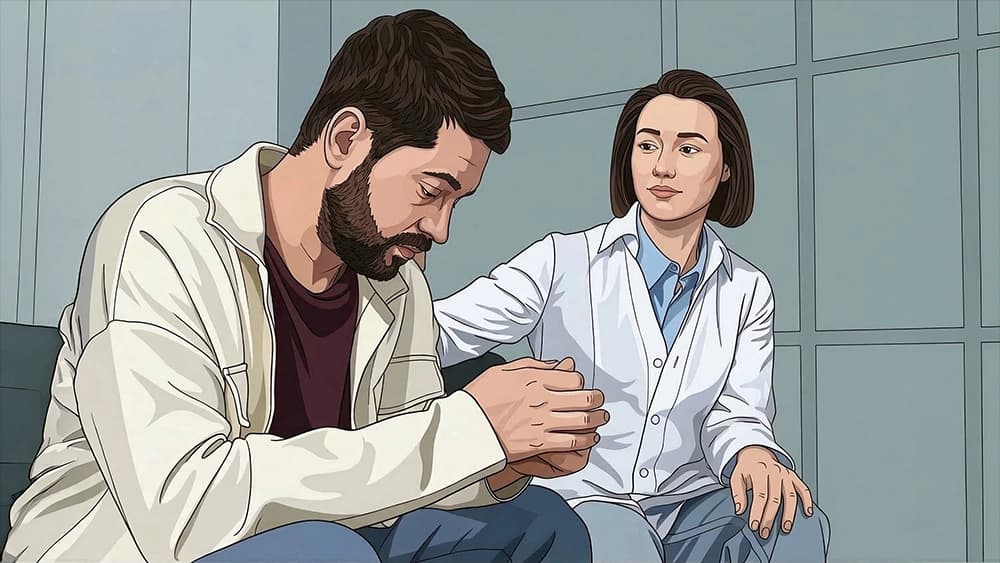

At Amity Palm Beach, we understand the challenges of maintaining sobriety. Relapse prevention is a critical aspect of long-term recovery success.
In this blog post, we'll explore key strategies to help you stay strong and avoid setbacks. From identifying triggers to building support networks and developing healthy coping mechanisms, we'll provide practical tools for your <a href="https://share.google/V3Fb6lqR1VEcZD9gZ">relapse prevention</a> journey.
Negative emotions often trigger relapse. Stress, anxiety, depression, and anger can overwhelm coping mechanisms. The National Institute on Drug Abuse reports these emotional states activate the brain's reward system, which increases substance cravings.
Recent Posts
We advise clients to maintain a mood journal. This practice helps track emotional fluctuations and identify patterns. Self-awareness allows for timely intervention when emotions become overwhelming.
Your surroundings significantly impact sobriety maintenance. Exposure to places associated with past substance use or people who still use can spark intense cravings. A study identified individual and social/environmental predictors of alcohol and drug use 2 years following substance abuse treatment.
We suggest creating a list of high-risk locations and relationships. Develop strategies to avoid or manage these triggers (e.g., find new social circles, redesign living spaces to remove reminders of past use).
Categories
Poor physical health and chronic stress undermine recovery efforts. Insufficient sleep, poor nutrition, and physical pain weaken resolve and increase relapse likelihood.
Prioritize your physical well-being. Establish a consistent sleep schedule, maintain a balanced diet, and engage in regular exercise. These habits improve overall health, boost mood, and build resilience against cravings.
As time passes in recovery, some individuals become complacent or overconfident. They might think, "I've got this under control now," and let their guard down. This attitude can lead to skipping support meetings, neglecting self-care, or testing boundaries.
Understanding Relapse Triggers: The Key to Sustained Recovery
Try to maintain vigilance in your recovery journey. Celebrate milestones, but remember that recovery requires ongoing effort and commitment (even during periods of stability).
Unaddressed trauma often lurks beneath the surface of addiction. Without proper treatment, traumatic experiences can resurface and trigger relapse. Recent research shows that trauma-informed care (TIC) significantly enhances treatment outcomes for individuals grappling with substance use disorders (SUDs) by addressing underlying issues.
Seek professional help to address underlying trauma. Therapies like EMDR (Eye Movement Desensitization and Reprocessing) and CBT (Cognitive Behavioral Therapy) can help process traumatic experiences and develop healthier coping mechanisms.
Emotional Landmines
Understanding these triggers forms the foundation of effective relapse prevention. In the next section, we'll explore how to build a strong support network to reinforce your relapse prevention efforts.
Recovery requires a strong support network. At Amity Palm Beach, we've witnessed how a robust network significantly improves long-term sobriety outcomes. Let's explore practical ways to construct and maintain your recovery support network.
Addiction counselors support those struggling with substance use disorder (SUD) in defining and pursuing recovery goals through expert guidance. Regular sessions provide a safe space to process emotions, develop coping strategies, and address underlying issues. Look for professionals certified in addiction treatment.
Environmental and Social Pressures
Many clients find success with a combination of individual and group therapy. Group sessions offer peer support and diverse perspectives, while individual therapy allows for deeper personal work. Don't hesitate to explore different options until you find the right fit – the therapist-client relationship plays a vital role in effective treatment.
Addiction often strains relationships. Rebuilding trust takes time, but it's worth the effort. Start with honest conversations with loved ones about your recovery journey. Be specific about how they can support you – whether it's attending family therapy sessions, creating substance-free social activities, or simply being available to talk during difficult moments.
Consider inviting close family members to educational sessions about addiction. Many treatment centers offer family programs to help loved ones understand the recovery process and develop healthy communication skills.
Physical Health and Stress
Peer support groups play a vital role in substance abuse recovery by providing essential emotional and social support. Here are some ways to build your peer network:
Building a support network takes effort and time. Be patient with yourself and others as you navigate this process. The relationships you cultivate now will become invaluable assets in your ongoing relapse prevention journey.
As you strengthen your support network, it's equally important to develop healthy coping mechanisms. In the next section, we'll explore effective strategies to manage stress, cravings, and emotional challenges without turning to substances.
Complacency and Overconfidence
At Amity Palm Beach, we know that healthy coping mechanisms are essential for long-term sobriety. These strategies help you navigate stress, manage cravings, and maintain emotional balance without substance use. Let's explore practical ways to build resilience in your recovery journey.
Mindfulness practices can significantly reduce relapse rates. A study found that mindfulness-based relapse prevention and traditional relapse prevention, compared to treatment as usual, reported significantly lower risk of relapse to substance use (54%) at the 6-month follow-up.
Start with simple breathing exercises. Set aside 5 minutes daily to focus on your breath. Inhale for 4 counts, hold for 4, exhale for 4. This technique activates your parasympathetic nervous system, which reduces stress and anxiety.
Unresolved Trauma
Progress to body scan meditations. Lie down comfortably and mentally scan your body from head to toe. Notice any tension or discomfort. This practice increases body awareness and helps you identify early signs of stress or cravings.
Regular exercise is a powerful tool for relapse prevention. Studies show that individuals who use physical exercise as part of their recovery are more likely to sustain their sobriety compared to those who don't.
Try 30 minutes of moderate exercise 5 days a week. This could include brisk walking, swimming, or cycling. If you're new to exercise, start with 10-minute sessions and gradually increase.
How to Build Your Recovery Support Network
Consider joining a sports team or fitness class. Group activities provide social support and accountability (two key factors in maintaining sobriety).
Hobbies and creative pursuits offer healthy ways to manage stress and fill free time that might otherwise trigger cravings. They also help rebuild self-esteem and provide a sense of accomplishment.
Try journaling. Write for 15 minutes each day about your recovery journey, challenges, and successes. This practice helps process emotions and track progress over time.
Professional Support: Your Recovery Cornerstone
Explore art therapy. Many treatment centers offer art classes as part of their programs. Even simple activities like adult coloring books can be meditative and stress-reducing.
Learn a new skill. Master cooking, gardening, or a musical instrument. These activities boost confidence and provide a positive focus.
Structure your day to minimize idle time and reduce the risk of relapse. Create a daily schedule that includes:
Family and Friends: Rebuilding Bridges
A consistent routine provides stability and helps you stay focused on your recovery goals.
Recovery is a journey with ups and downs. Treat yourself with kindness and understanding, especially during challenging times. Avoid harsh self-criticism and instead focus on learning from setbacks.
Try positive self-talk exercises. Replace negative thoughts with encouraging ones. For example, instead of "I'm weak for having cravings," say "Cravings are normal, and I have the tools to manage them."
Peer Support: The Power of Shared Experience
Relapse prevention requires a personalized approach. We encourage you to adapt the strategies discussed to fit your unique circumstances and needs. This process might involve combining different techniques to create a comprehensive plan that works for you. Relapse prevention is an ongoing journey that demands patience, persistence, and self-compassion.
At Amity Palm Beach, we support individuals throughout their recovery journey. Our team offers personalized treatment plans that address substance use disorders and co-occurring mental health conditions. We believe in a holistic approach to healing, combining evidence-based therapies with compassionate care to empower our clients.
Seeking help demonstrates strength. If you struggle with addiction or worry about relapse, reach out for support. With the right tools, guidance, and determination, you can build a fulfilling life free from substance use. Your journey to sustained recovery starts with a single step – and we stand ready to support you along the way.
How to Build Resilience in Recovery
The Power of Mindfulness
Exercise for Mental and Physical Health
Engage Your Mind Creatively
Develop a Routine
Practice Self-Compassion
Final Thoughts
Quick Links
Reach Out
Get Help Today
If you or a loved one is struggling with addiction, Amity Palm Beach is here to help. Our compassionate team provides personalized treatment in West Palm Beach, Florida.
Call us at (888) 664-0182 to start your recovery journey.
Amity Palm Beach
Amity Palm Beach Medical Team