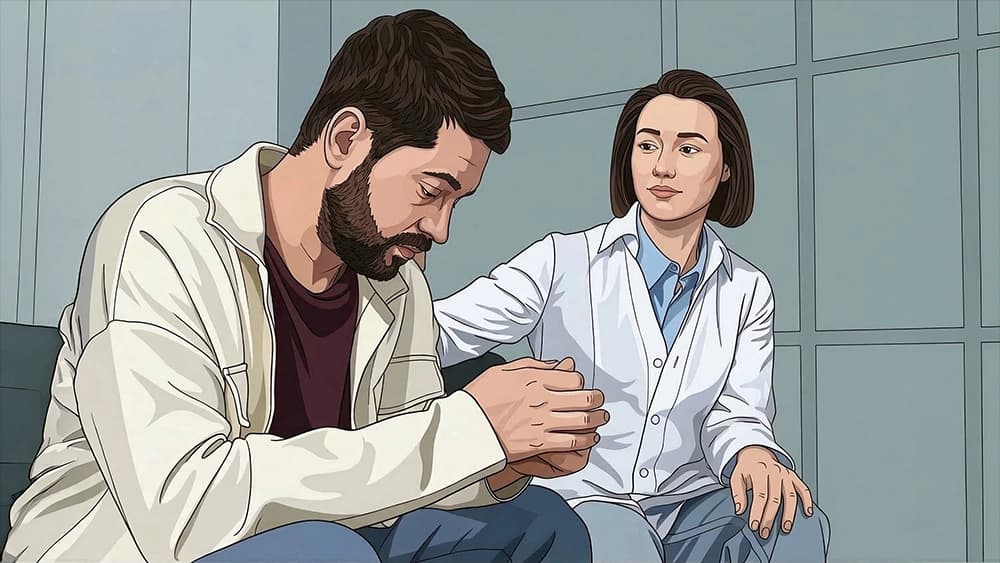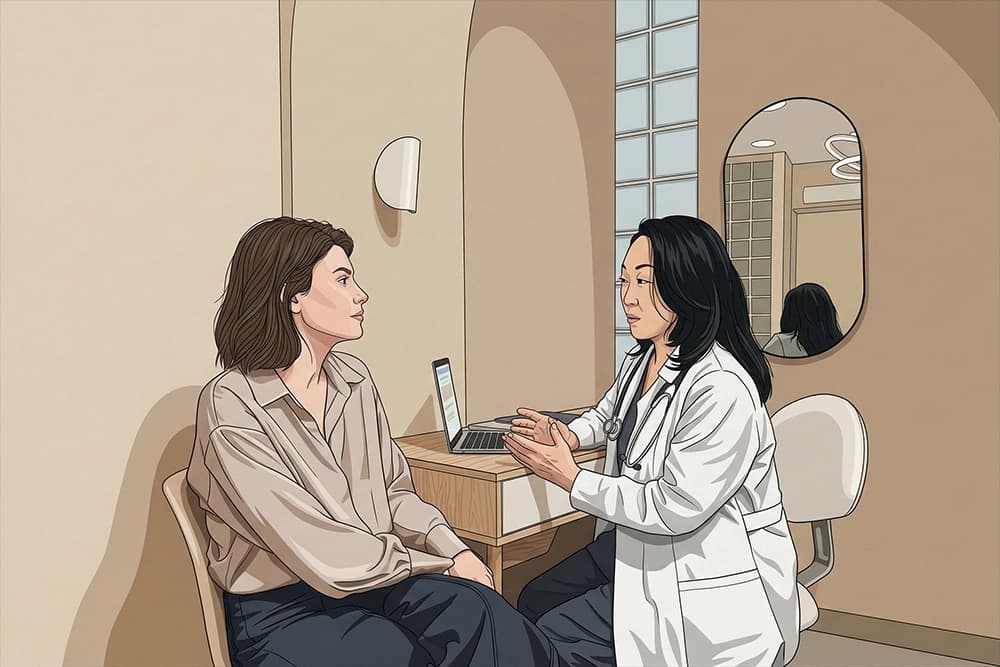

Addiction affects millions of Americans, yet many people still wonder what are rehab centers and how they actually work. These specialized facilities provide structured treatment programs designed to help individuals overcome substance abuse and mental health challenges.
We at Amity Palm Beach understand that choosing rehabilitation can feel overwhelming. This guide breaks down everything you need to know about rehab centers and their role in successful recovery.
Rehab centers operate in three main categories that address different recovery needs. Inpatient residential facilities offer 24/7 medical supervision and structured programs, which makes them perfect for severe addictions or people with multiple failed recovery attempts. The National Institute on Drug Abuse reports that residential programs last at least 90 days and show the highest success rates.
Recent Posts
Outpatient centers help people maintain work and family responsibilities while they attend therapy sessions several times per week. Partial hospitalization programs connect inpatient and outpatient care by providing intensive daily treatment without overnight stays.
Modern rehab centers use proven therapeutic approaches rather than outdated methods. Cognitive Behavioral Therapy helps patients identify triggers and develop coping strategies, while Dialectical Behavior Therapy teaches emotional regulation skills. Medical detoxification addresses withdrawal symptoms safely (particularly important for alcohol and opioid dependencies that can cause life-threatening complications).
The Substance Abuse and Mental Health Services Administration emphasizes individualized treatment plans that combine multiple therapies. Group therapy reduces isolation and builds peer support networks, while family counseling addresses relationship damage that addiction causes.
Categories
Anyone who struggles with substance use disorders benefits from professional intervention, but certain situations require immediate action. People who experience withdrawal symptoms, those with co-occurring mental health conditions like depression or anxiety, and individuals who have relapsed multiple times need structured support.
Inpatient rehab treatment statistics show a 68% success rate for patients completing their full programs, which highlights why professional guidance matters. Veterans, healthcare professionals, and executives often prefer specialized programs that understand their unique pressures and maintain confidentiality.
These treatment foundations create the framework for how rehab centers support individuals through their recovery process.
Understanding Rehab Centers and Their Purpose
Medical detoxification forms the foundation of effective treatment, and facilities that skip this step often see higher relapse rates. Supervised withdrawal management prevents dangerous complications like seizures from alcohol or benzodiazepines, which can prove fatal without medical oversight. Professional medical supervision provides significant benefits for managing withdrawal symptoms during the detoxification process.
Most detox programs last 3-7 days, but opioid withdrawal can extend to 10-14 days depending on substance use history. Medical professionals monitor vital signs around the clock and administer medications to ease discomfort while patients stabilize physically.
Evidence-based therapies address the psychological aspects of addiction once physical stabilization occurs. Cognitive Behavioral Therapy teaches patients to identify triggers and develop alternative responses, while Dialectical Behavior Therapy focuses on emotional regulation skills. Group therapy sessions happen 3-5 times weekly in most programs and create peer support networks that reduce isolation.
Types of Rehabilitation Centers Available
The National Institute on Drug Abuse found that patients who attend at least 75% of scheduled therapy sessions show 60% better outcomes than those with poor attendance. Individual counseling sessions typically occur twice weekly and address personal trauma, family dynamics, and mental health conditions that fuel addictive behaviors (particularly depression and anxiety disorders).
Successful facilities create detailed discharge plans before patients complete their programs, not during their final week. Alumni programs maintain connections through monthly meetings, social events, and mentorship opportunities that extend support beyond treatment completion. Sober living referrals provide structured housing for 6-12 months post-treatment, with approximately one percent of individuals in recovery choosing this option after their initial treatment engagement.
Outpatient therapy continues for 6-12 months after residential treatment, with session frequency that decreases from weekly to monthly as stability improves. Recovery coaching services provide 24/7 phone support during challenging moments and help patients navigate real-world situations without substances (especially during high-stress periods like job changes or relationship conflicts).
Evidence-Based Treatment Methods That Work
These comprehensive support systems work together, but selecting the right facility requires careful consideration of multiple factors that match individual needs and circumstances.
Distance from home affects treatment success rates in unexpected ways. Research shows that facility openings and closings impact treatment accessibility, with treatment facilities playing a crucial role in emergency room visit patterns. Away-from-home treatment removes familiar triggers and toxic relationships that fuel addiction.
Joint Commission accreditation indicates facilities meet rigorous safety and quality standards, while state licensing provides basic regulatory oversight. These certifications separate professional treatment centers from unregulated programs that lack proper medical supervision.
Who Should Consider Professional Treatment
Most major insurance plans cover 60-80% of rehab costs, but coverage varies dramatically between carriers and specific policy terms. Aetna, Cigna, and United Healthcare typically provide the most comprehensive addiction treatment benefits, while Medicare covers medically necessary services but limits residential stays to 190 lifetime days.
Private pay options range from $6,000 to $20,000 monthly depending on facility amenities and treatment intensity. Smart patients verify benefits before admission rather than discovering limitations during treatment. Staff-to-client ratios below 3:1 indicate quality care, while facilities with medical directors and 24/7 nursing provide safer detox management.
Ask about specific success metrics rather than general statements about effectiveness. Programs that track 12-month sobriety rates and provide concrete numbers demonstrate accountability, while facilities that avoid statistics often hide poor outcomes.
How Rehab Centers Support the Recovery Process
Medical supervision availability, dual diagnosis capabilities, and aftercare planning separate professional programs from basic counseling services. Treatment centers use proven therapeutic approaches like Cognitive Behavioral Therapy and Dialectical Behavior Therapy. Alumni networks with active engagement indicate long-term support systems that continue beyond discharge.
Length of stay flexibility matters because individual recovery timelines vary significantly. Rigid 30-day programs often discharge patients before stability occurs, while quality facilities adjust treatment duration based on clinical progress rather than insurance limitations.
Research shows that longer rehab programs reduce relapse risk, with extended treatment duration producing better outcomes particularly for severe addictions or multiple failed attempts. Programs that offer seamless transitions between inpatient, outpatient, and aftercare services provide continuity that supports long-term recovery success.
Medical Detoxification and Withdrawal Management
Professional rehab centers transform lives through structured medical care, evidence-based therapies, and comprehensive aftercare programs. These facilities address both the physical withdrawal process and the psychological factors that drive addiction. Research shows that individuals who complete professional treatment programs achieve significantly higher long-term recovery rates than those who attempt recovery without professional support.
The most effective programs combine 24/7 medical supervision, peer support networks, and therapeutic interventions that last 90 days or longer. Quality facilities provide seamless transitions from detox through residential care to outpatient services and alumni support. This comprehensive approach addresses the complex nature of addiction and builds the foundation for sustained recovery (particularly important for individuals with co-occurring mental health conditions).
Understanding what are rehab centers offer helps people make informed decisions about their recovery path. We at Amity Palm Beach provide personalized treatment plans that combine clinical excellence with compassionate care. Contact us today for a confidential assessment and take the first step toward lasting recovery.
Therapeutic Interventions and Counseling Services
Aftercare Planning and Long-term Support Systems
Choosing the Right Rehab Center for Your Needs
Location and Accreditation Standards
Insurance Coverage and Financial Planning
Program Quality Assessment Questions
Treatment Duration and Flexibility
Final Thoughts
Quick Links
Reach Out
Get Help Today
If you or a loved one is struggling with addiction, Amity Palm Beach is here to help. Our compassionate team provides personalized treatment in West Palm Beach, Florida.
Call us at (888) 664-0182 to start your recovery journey.
Amity Palm Beach
Amity Palm Beach Medical Team